SPARK PI COMMUNITY
In making Raspberry Pis available within the department year on year; SPARK will encourage, facilitate and nurture innovation in the use of this technology. ENTC intends to build expertise over several years to fully support a vibrant and active Pi community and therefore become a contributor to the development of products and services associated with the Raspberry Pi; in time being recognised as a centre of excellence in the use of this device.
PI - MORA
Raspberry JAM's are independently organised community events for people to come together to learn about digital making with Raspberry Pi. ENTC will undertake 3 Raspberry JAMs (Pi-MORA's) every academic year. Undertaking to teach Pi enthusiasts about the capabilities of the Raspberry Pi platform.
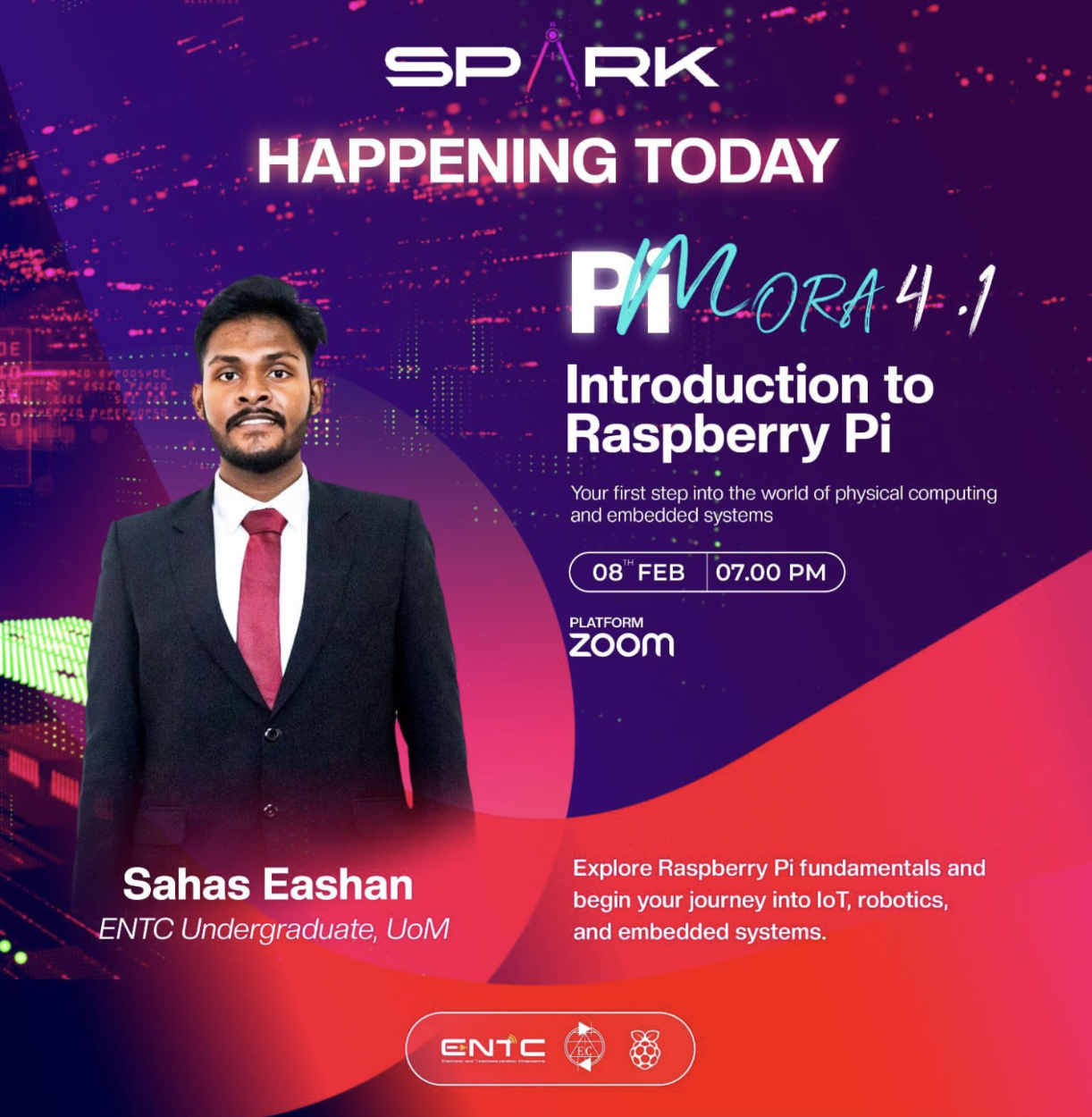
Pi Mora 4.1 - Introduction to Raspberry Pi
PiMora 4.1 — An introductory Raspberry Pi session organized by SPARK in collaboration with the Department of Electronic and Telecommunication Engineering, University of Moratuwa. This session introduced participants to Raspberry Pi fundamentals and gave them a clear first look at physical computing, embedded systems, and the kinds of projects they can build with the platform. The workshop walked through the core ideas behind the Raspberry Pi ecosystem, helping newcomers understand how the device can be used as a practical starting point for electronics, programming, and maker-style development. It was held on 08th February from 07.00 PM via Zoom. Speaker: Sahas Eashan (ENTC Undergraduate, UoM).
Links
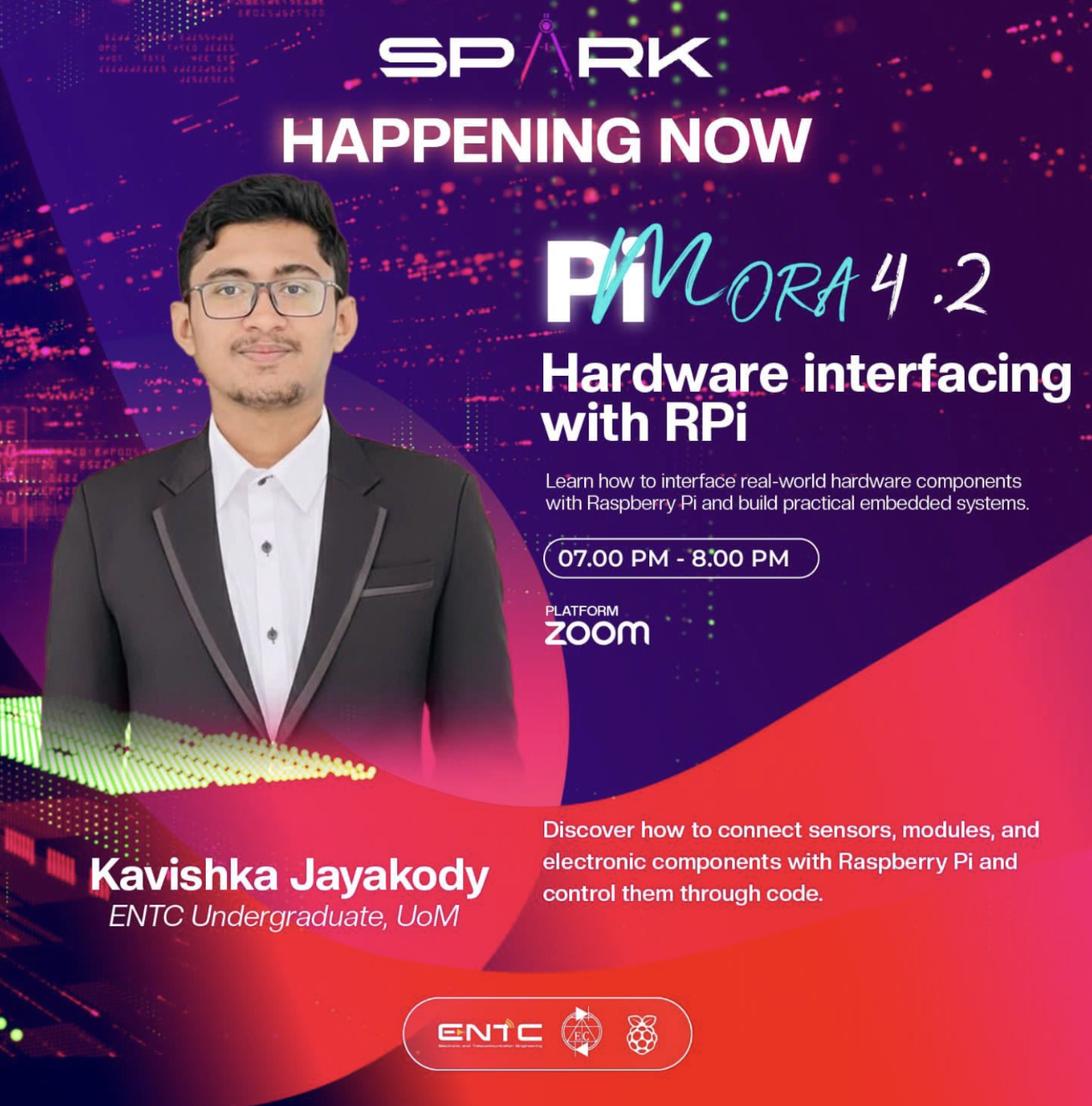
Pi Mora 4.2 - Hardware Interfacing with RPi
Pi Mora 4.2 focused on hardware interfacing with Raspberry Pi and practical embedded system development. Participants learned how to connect real-world hardware components to Raspberry Pi, understand their behavior, and control them through code in a structured hands-on setting. The session emphasized how sensor and module integration can be used to bridge software and physical devices, making it especially useful for embedded system projects and real-time applications. The session was held via Zoom from 07.00 PM to 08.00 PM. Speaker: Kavishka Jayakody (ENTC Undergraduate, UoM).
Links
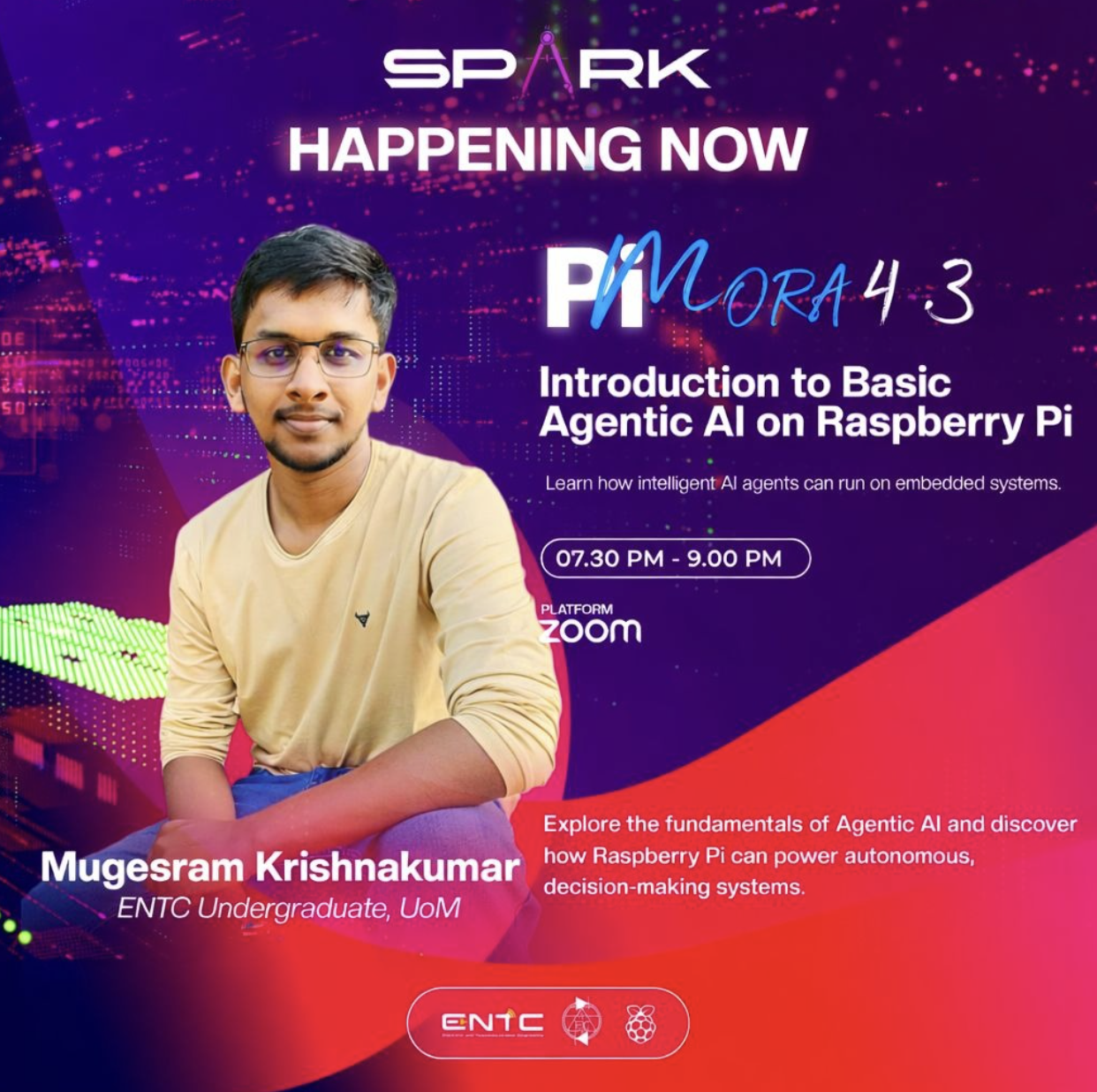
Pi Mora 4.3 - Introduction to Basic Agentic AI on Raspberry Pi
Pi Mora 4.3 introduced the fundamentals of Agentic AI on Raspberry Pi and explored how intelligent AI agents can run on embedded systems. Participants discovered how Raspberry Pi can support autonomous, decision-making systems in practical applications, and how lightweight AI concepts can be adapted to resource-constrained hardware. The session also gave attendees a broader view of where basic agentic workflows can be used in embedded environments, making it a valuable entry point into applied AI on edge devices. The session was held via Zoom from 07.30 PM to 09.00 PM. Speaker: Mugesram Krishnakumar (ENTC Undergraduate, UoM).
Links
TECHNOLOGY DEMONSTRATORS
To demonstrate and showcase the student and Pi capabilities; a number of complex and challenging projects will be implemented throughout the year.
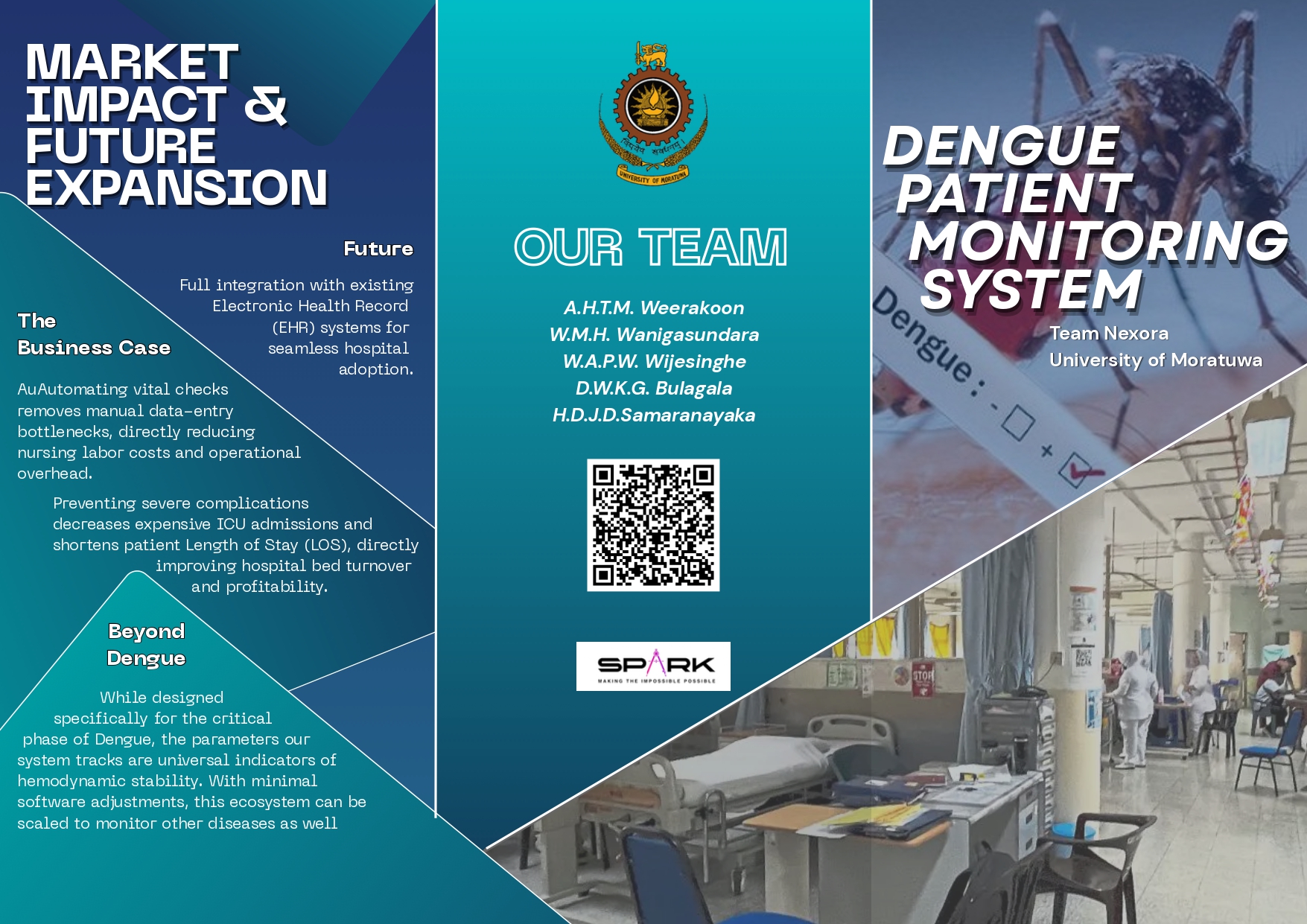
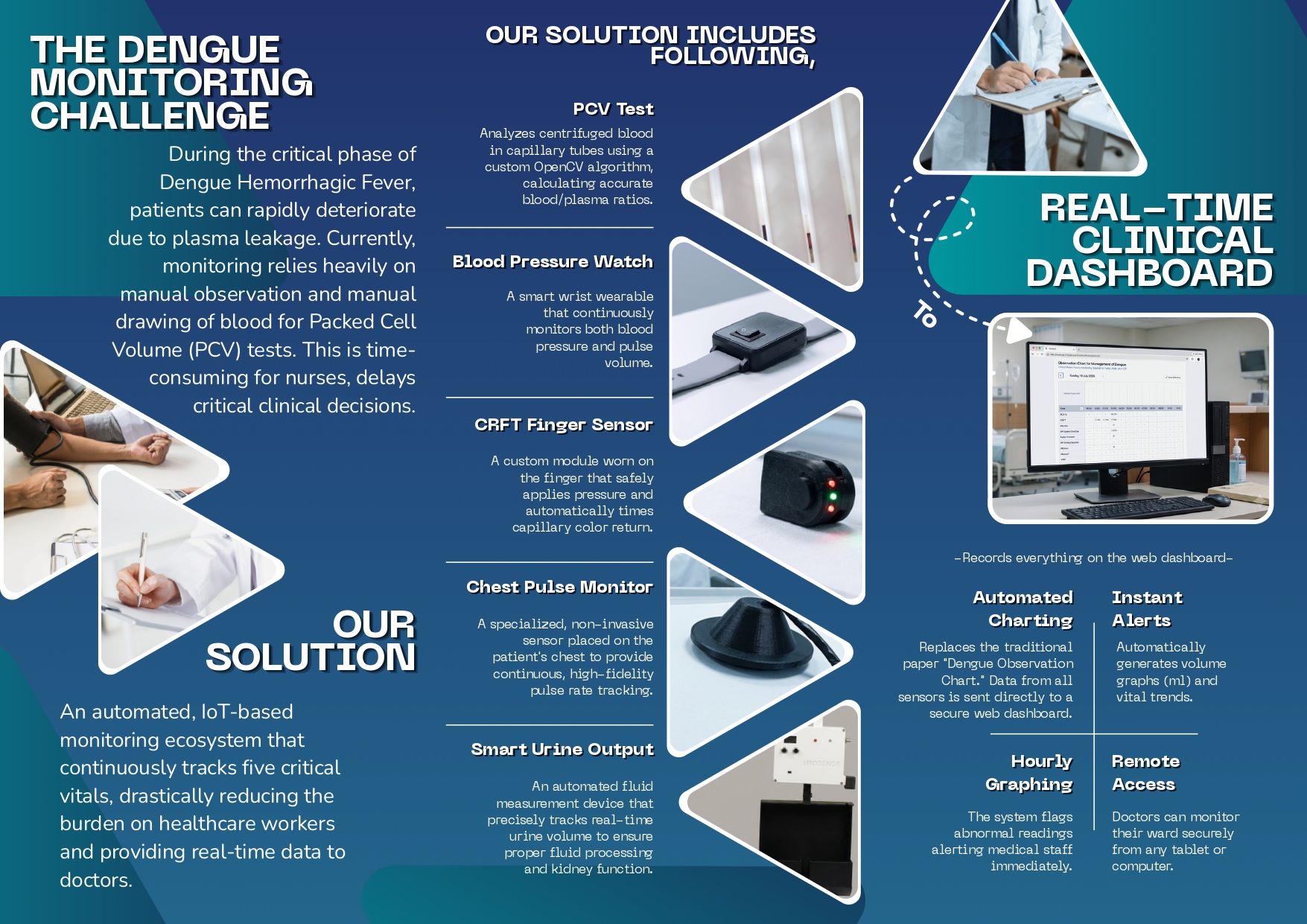
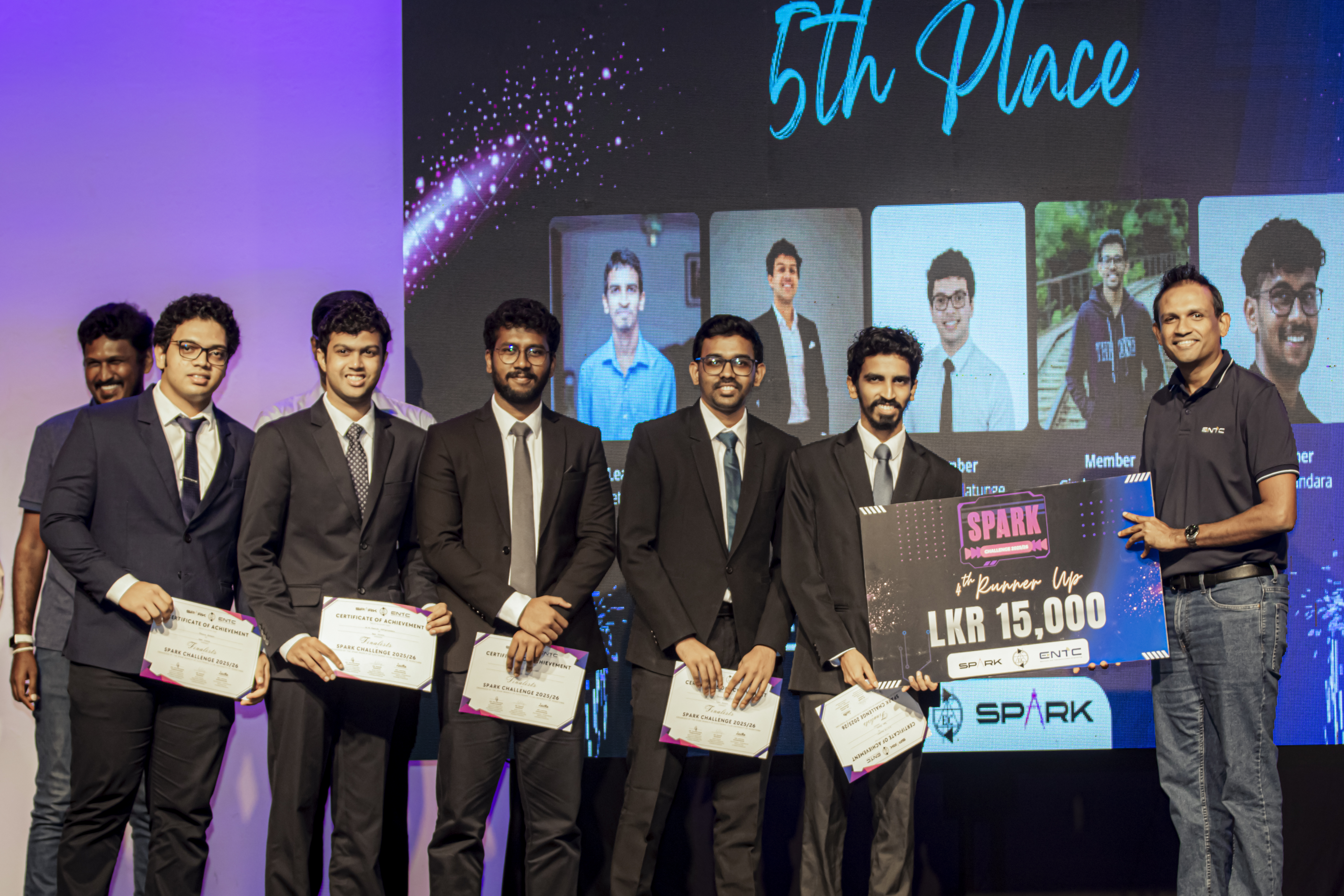
Nexora
A smart Raspberry Pi–based system that automates dengue patient monitoring by continuously collecting and recording patient health parameters in real time. The system provides an intelligent, centralized data recording platform that improves patient safety, reduces the workload of healthcare professionals, minimizes manual errors, enhances data accessibility, and supports more efficient dengue patient management in Sri Lankan hospitals. By streamlining routine monitoring tasks, Nexora helps clinical staff focus more on timely decision-making and patient care while maintaining reliable records for ongoing treatment and review.
Team Members
- A.H.T.M.Weerakoon
- H.D.J.D.Samaranayaka
- W A P W Wijesinghe
- D W K G Bulagala
- W.M. Hasindu Wanigasundara
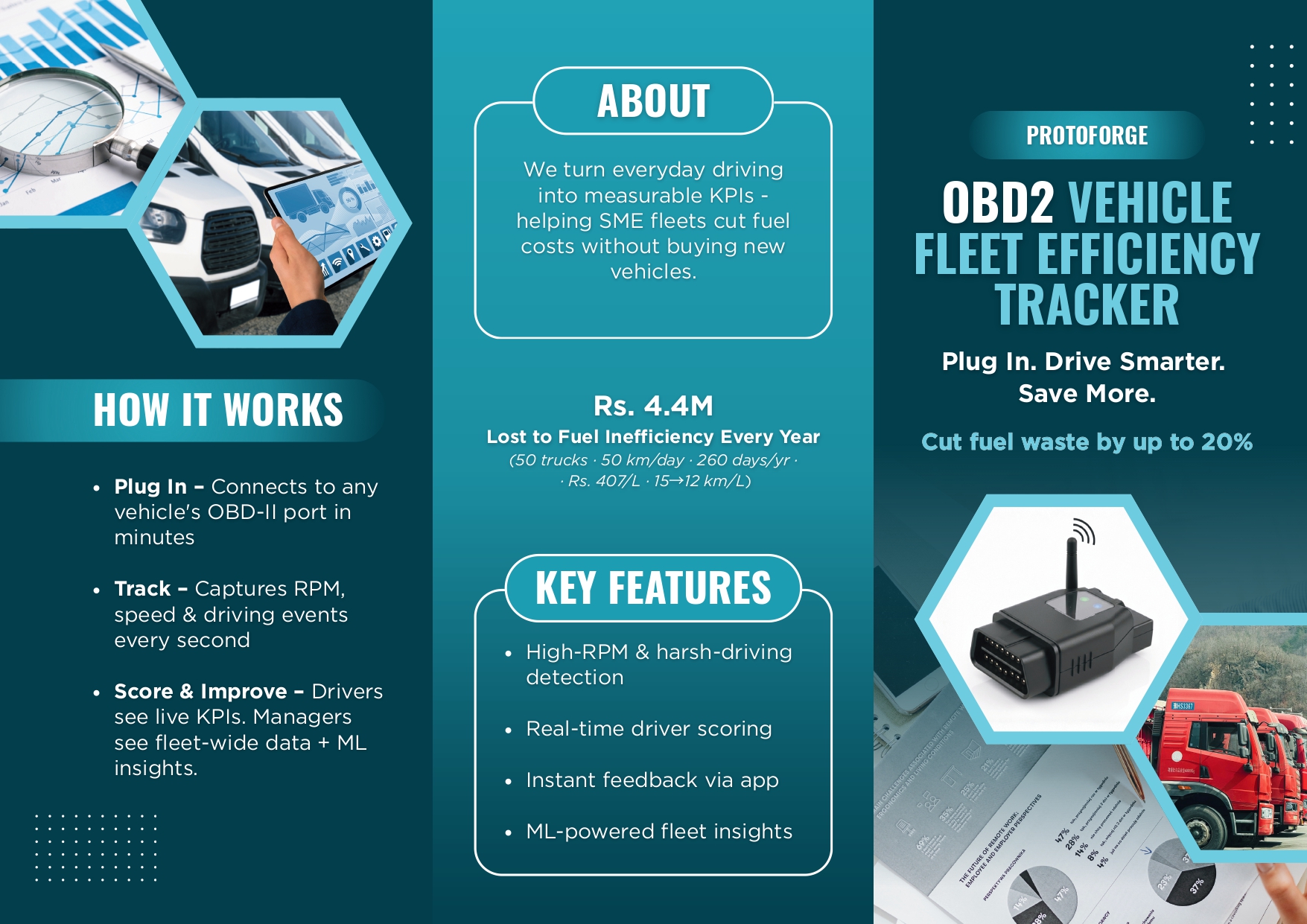
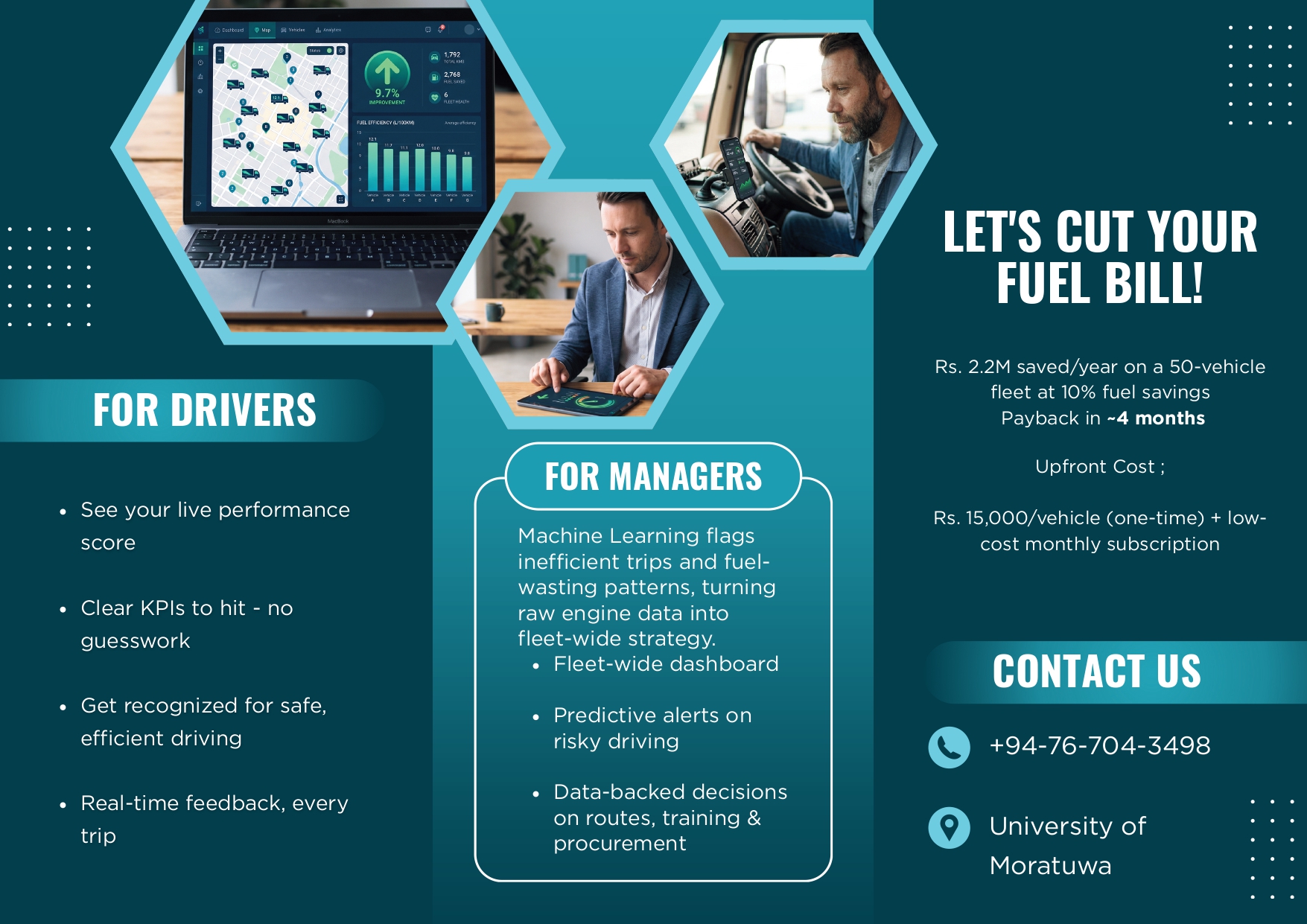
ProtoForge
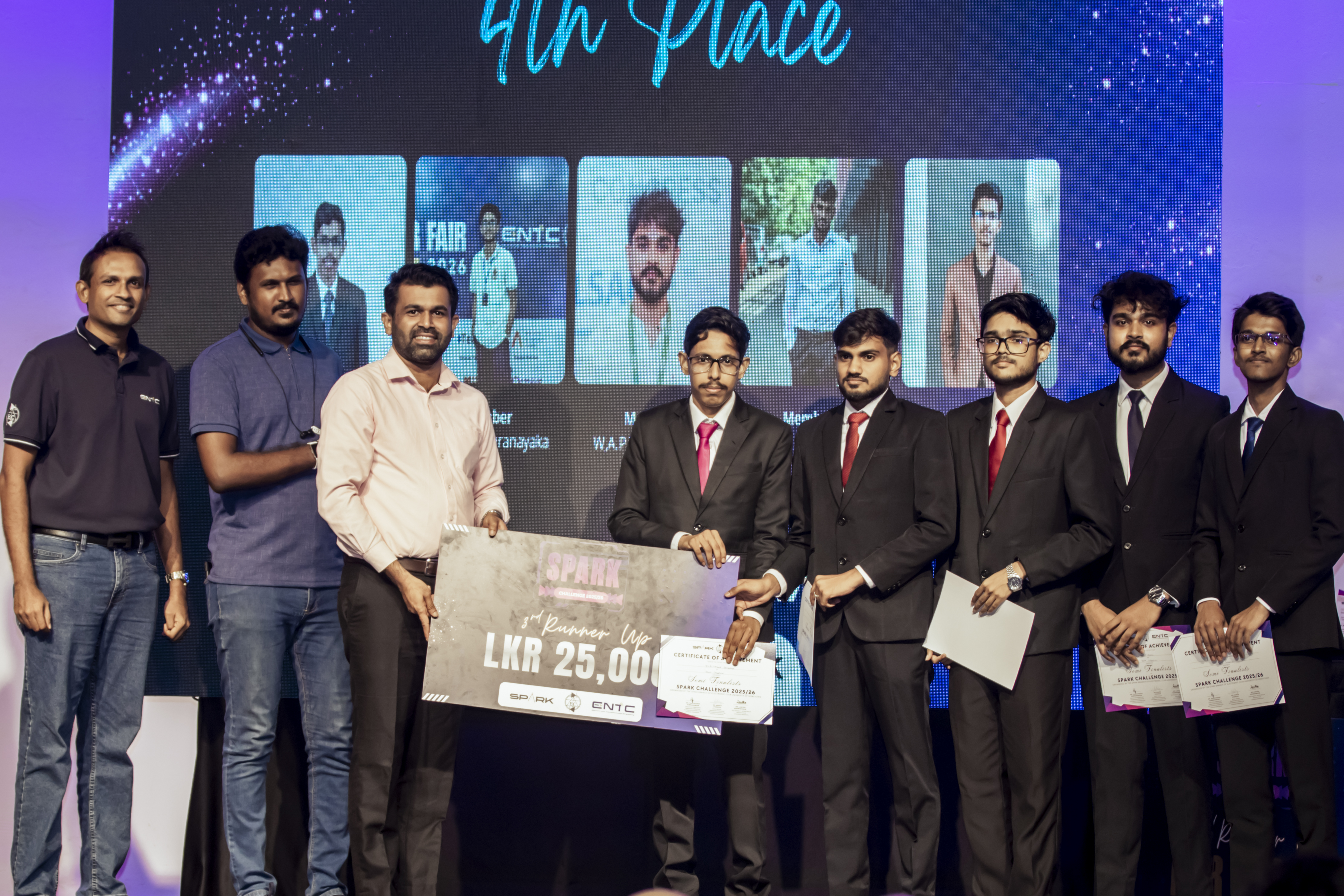
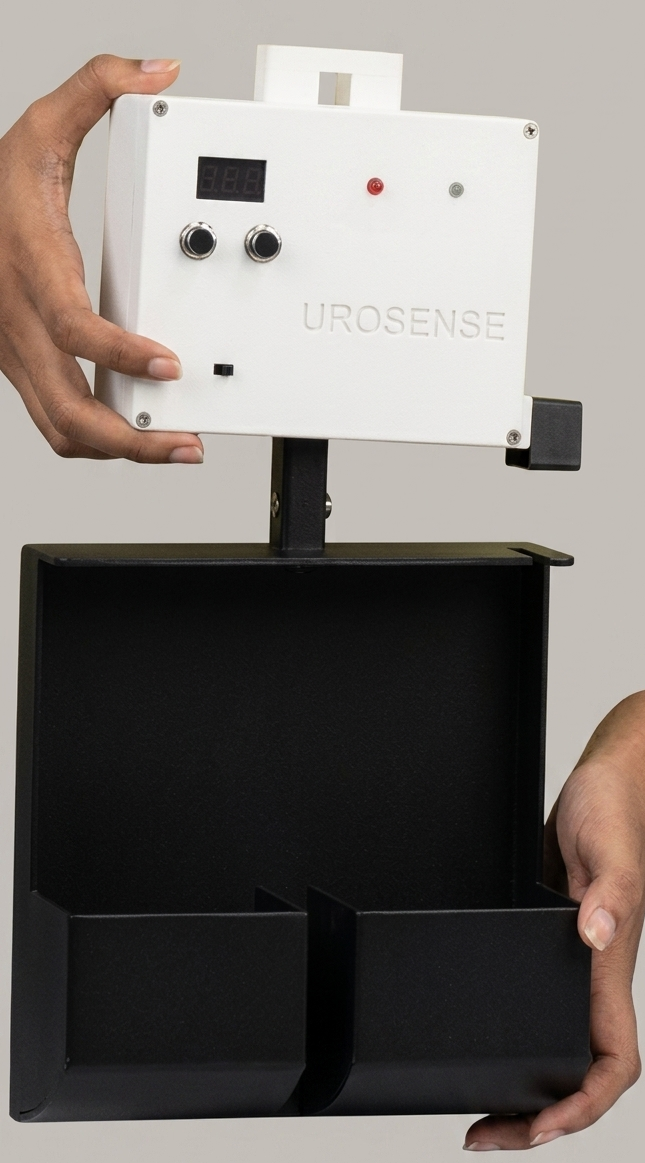
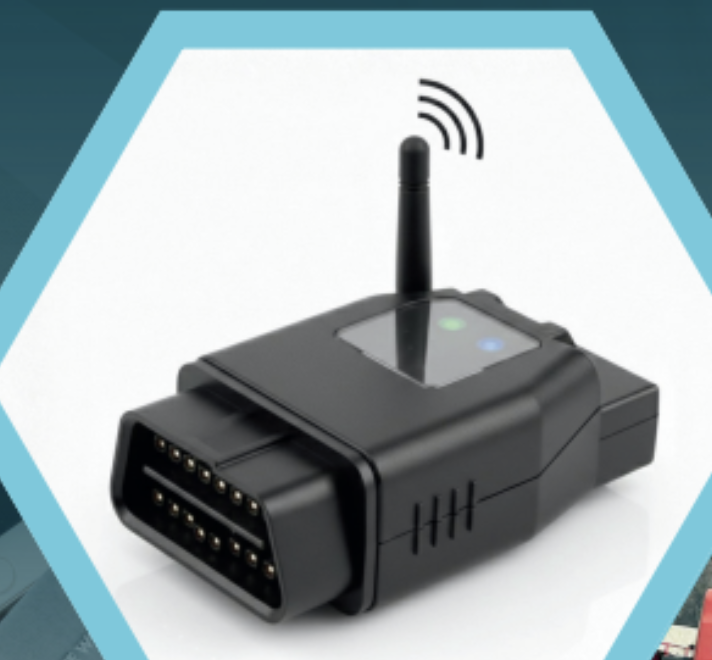
It is an affordable, OBD-2 port-based plug-and-play IoT device designed for Sri Lankan SMEs to monitor fleet efficiency and driver behaviour. By delivering actionable end-of-day analytics to business owners, it optimizes long-term operational decisions, reduces fuel consumption, lowers vehicle maintenance overhead, and actively reduces environmental carbon emissions. The device gives small and medium enterprises a practical way to understand how their vehicles are being used, identify inefficiencies early, and make smarter, data-driven improvements across their fleets.
Team Members
- Maneth Perera
- Harin Udugama
- Nimesh Kulatunge
- Gimhan Adikaram
- Yohan Bandara
FINAL YEAR
As part of the curriculum, final year Pi based project will demonstrate the fantastic engineering capabilities of the students.
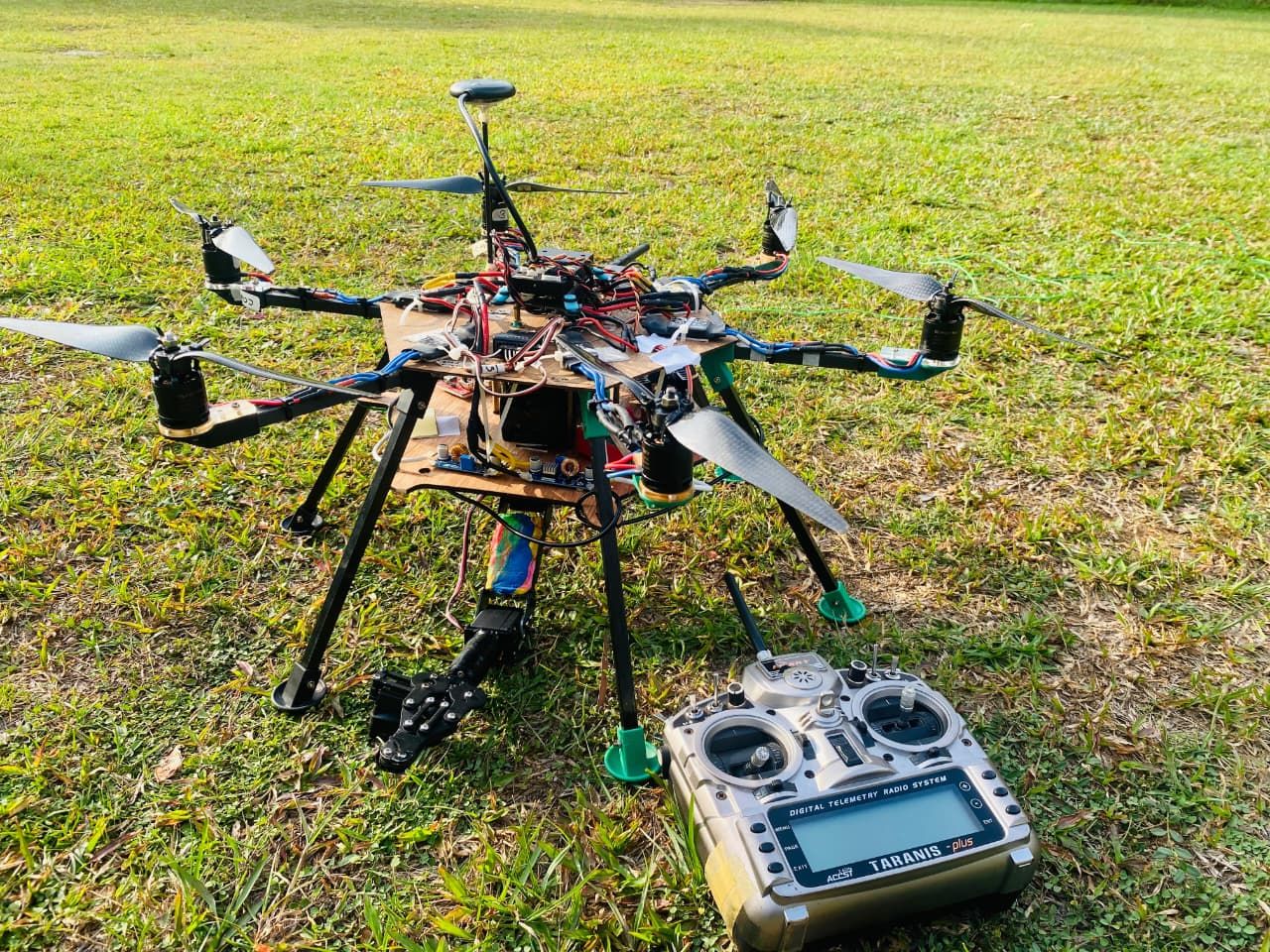
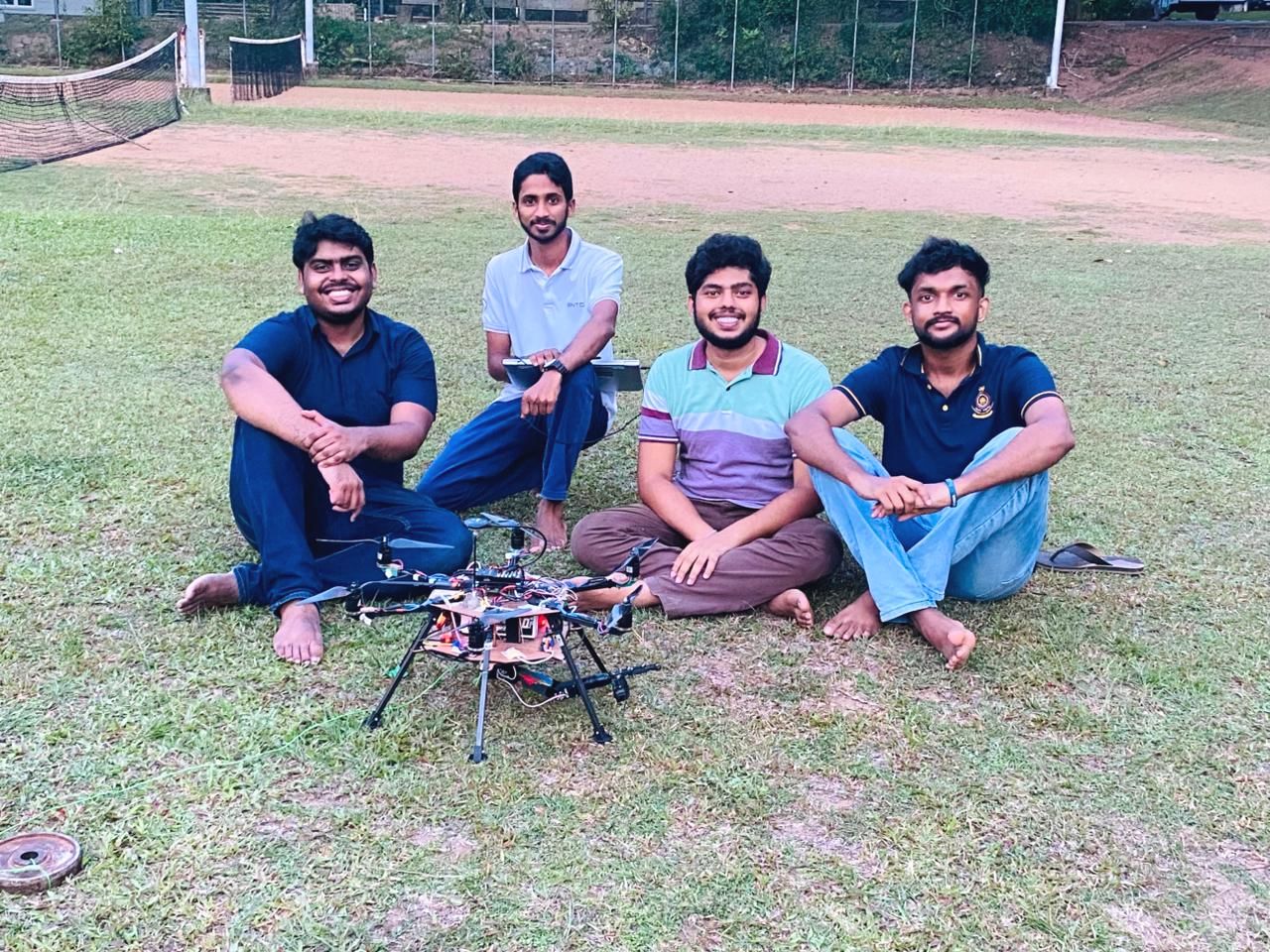
Reinforcement Learning for an Aerial Manipulator
This project develops a reinforcement learning control framework for a hexacopter with a 3-DOF manipulator to compensate for motion-induced disturbances. The manipulator creates forces and torques that destabilize flight, which traditional controllers handle poorly. A residual PPO-based policy adds small rate and thrust corrections inside the PX4 control pipeline, keeping the base controller stable while improving disturbance rejection. The system is trained in Gazebo Harmonic with PX4 SITL and ROS 2, then deployed on a Raspberry Pi 4B companion computer and compared against a PX4-only baseline.
Team Members
- Lahiru Cooray
- Methsara Shamika
- Rajitha Niroshan
- Chehal Jayasuriya
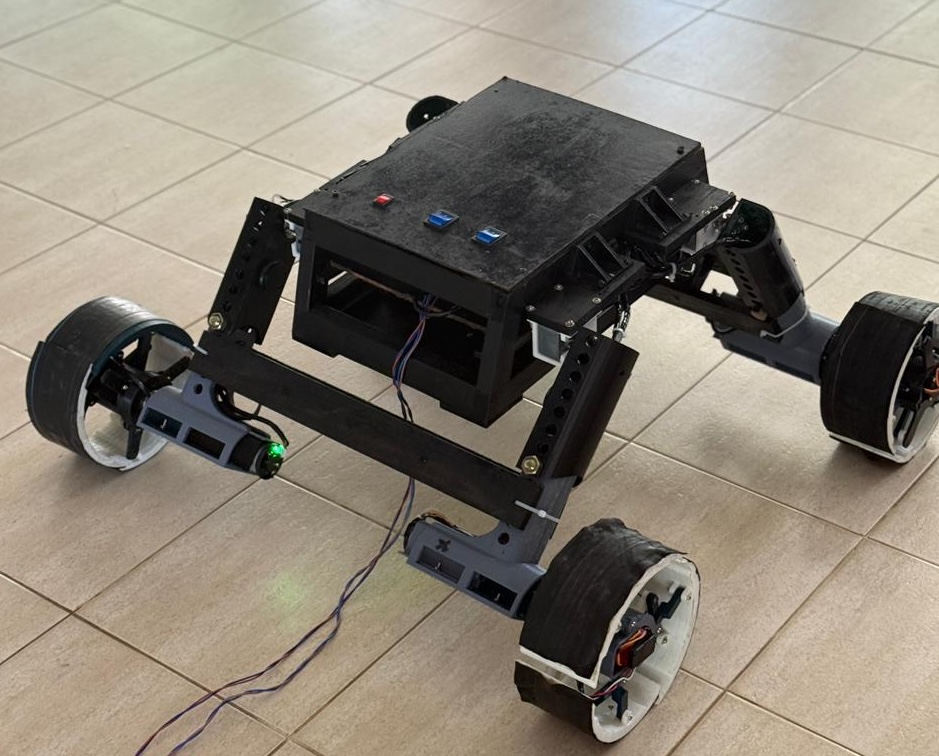
Reconfigurable Indoor Mobile Robot platform with Stair-Climbing Capability
This project develops an indoor mobile robot with stair-climbing capability using a wheel-legged hybrid locomotion approach. It is designed for environments where flat floors and staircases both need to be handled reliably. On flat ground the robot behaves like a normal wheeled platform, while on stairs its wheels transform to provide extra grip, support, and lifting ability. The design emphasizes stability, adaptability, and practical movement across multiple indoor floor levels.
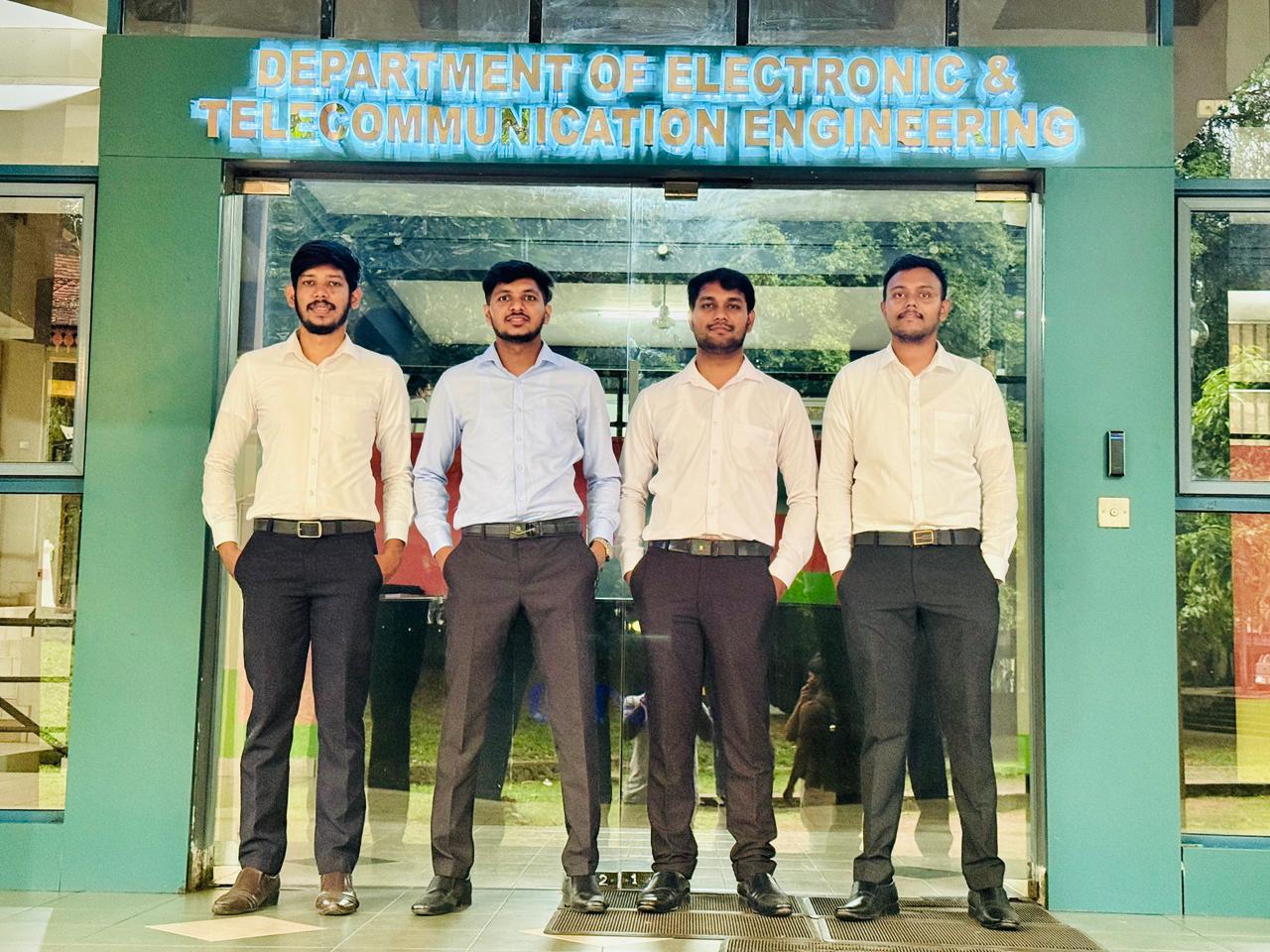
Team Members
- Hirusha Maduwantha
- Sahan Dissanayaka
- Pasindu Kulasingham
- Dilshan Wickramasingha
Multimodal Wild Animal Detection Sensor
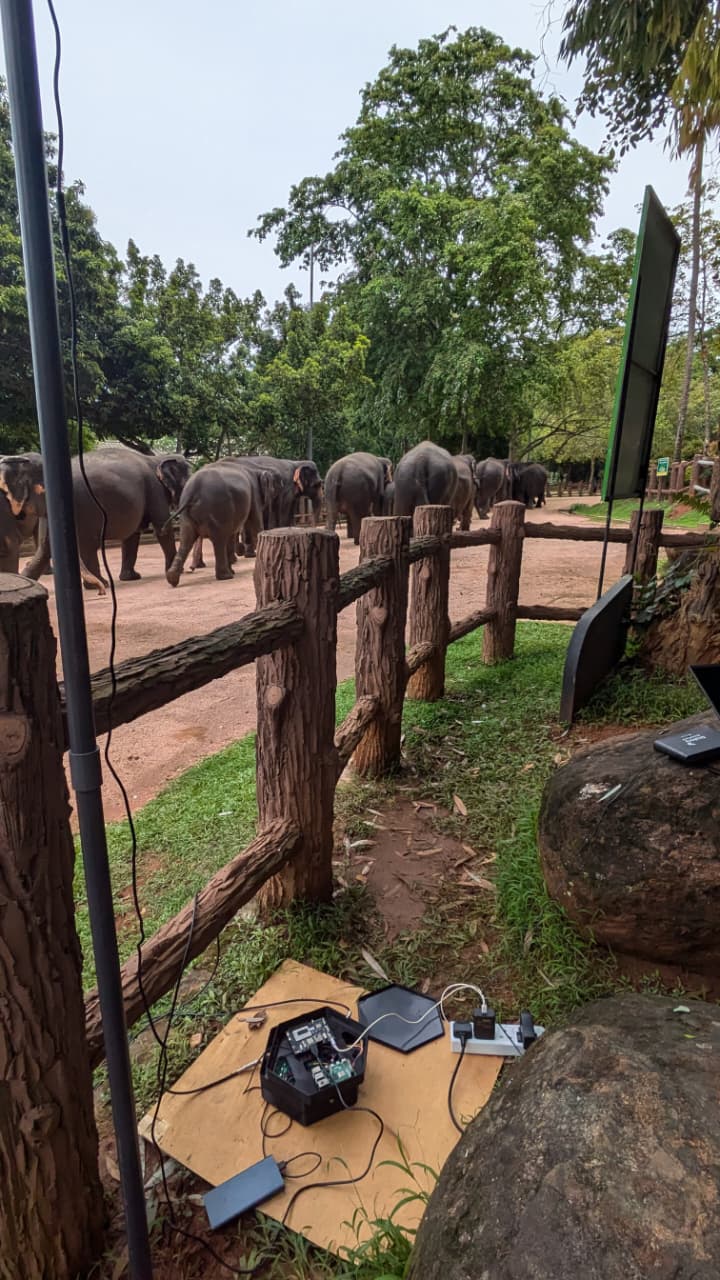
This project is an early-warning system for detecting elephants in wildlife-prone areas and alerting nearby communities to reduce human–elephant conflict. It combines a vision sensor and a seismic sensor to improve reliability over single-sensor approaches. The vision module uses edge AI with IR support and image enhancement for day and night detection, while the seismic module uses a geophone to detect footsteps and estimate direction. Fusion logic and SIM-based alerts improve confidence and make the system practical in low-connectivity environments.
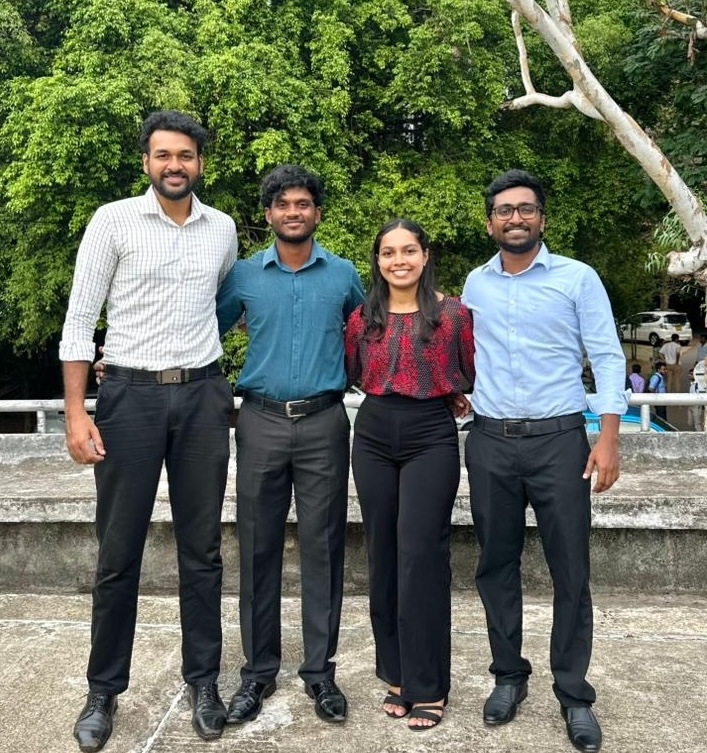
Team Members
- Damsith Adikari
- Nimshi Wanniarachchi
- Gavin Botheju
- Sandaru Lokudadalla
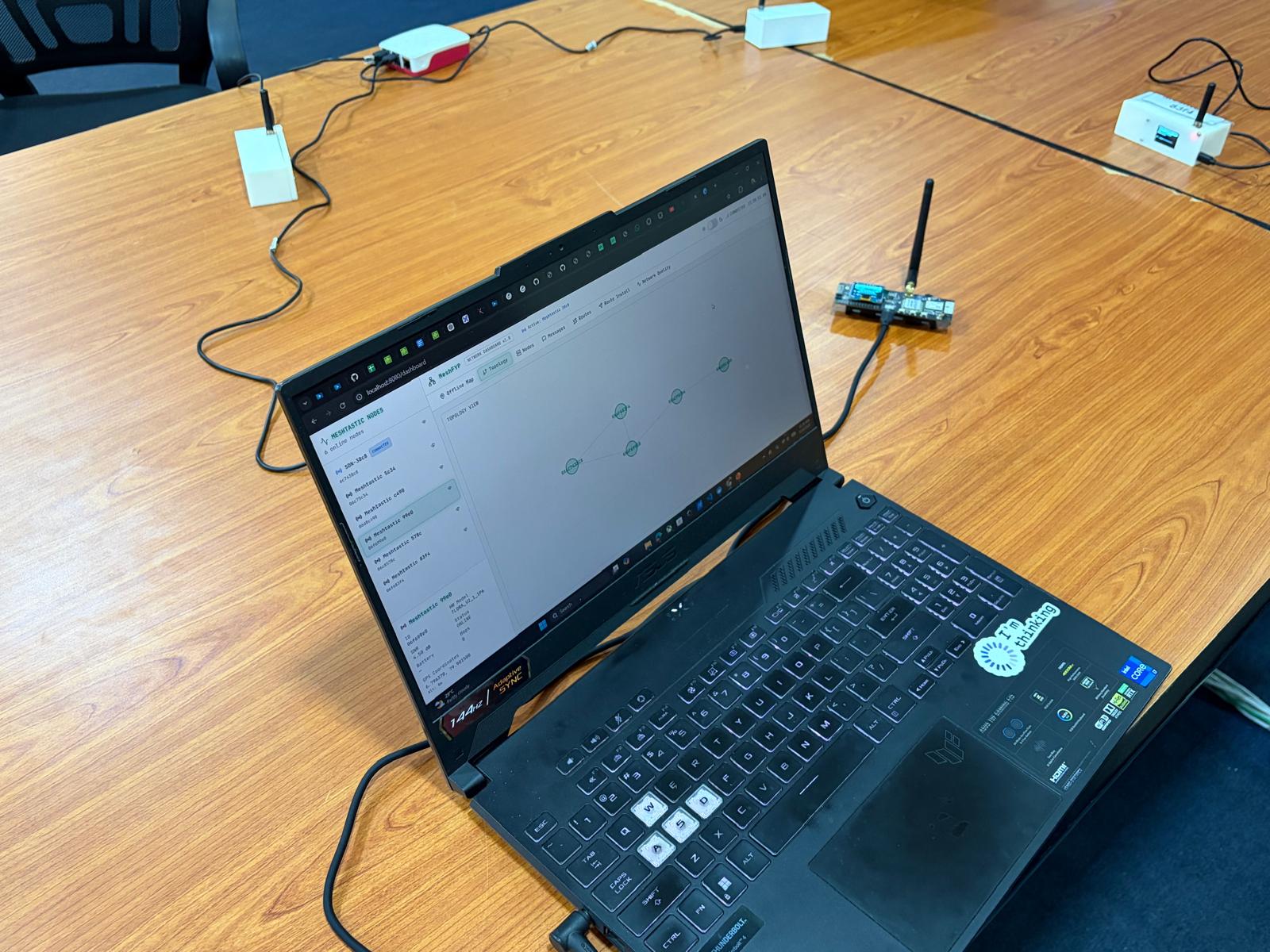
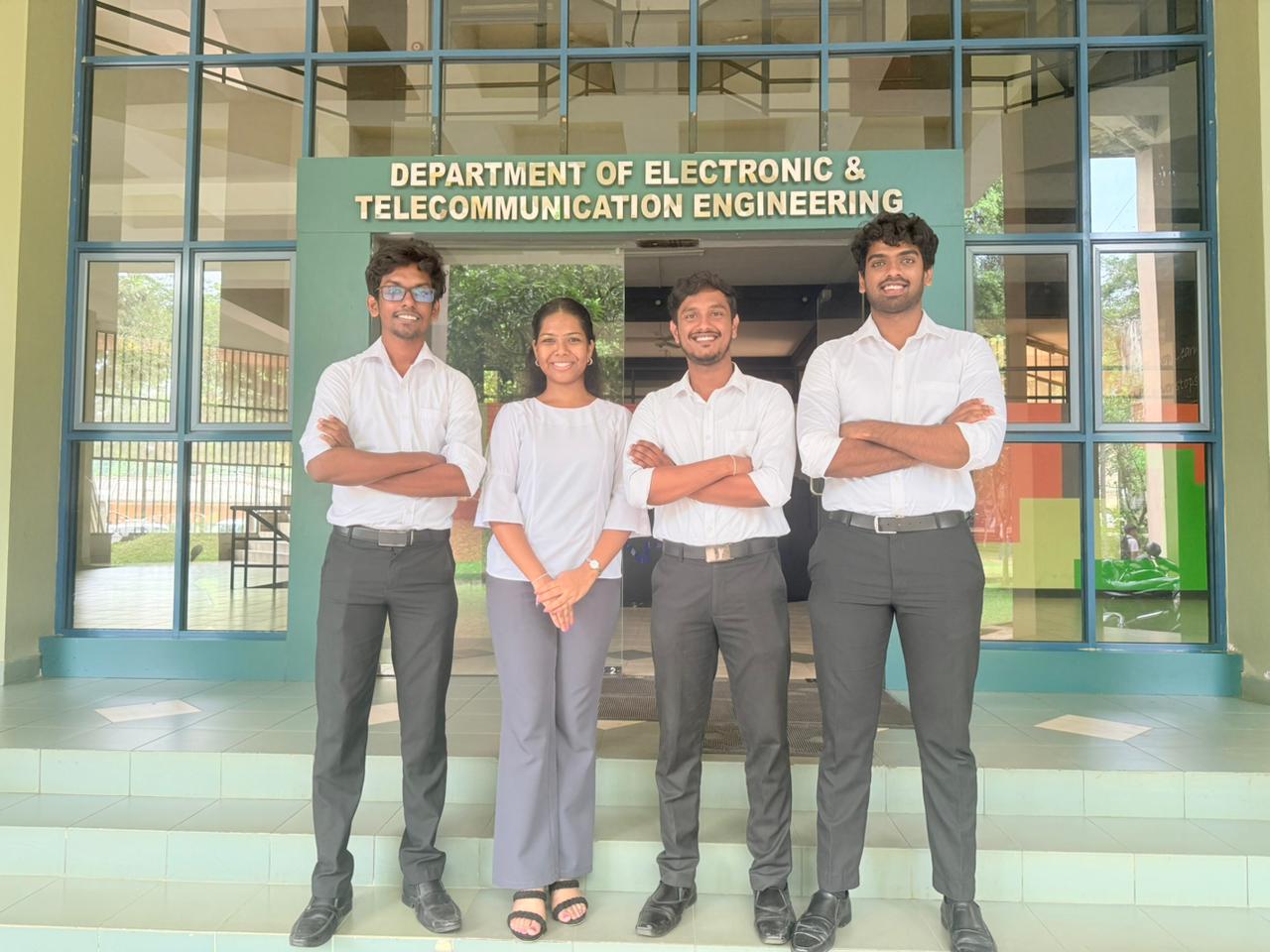
Meshtastic-based LoRa Mesh for Disaster Communication
This project extends Meshtastic networks to provide reliable emergency communication when conventional infrastructure is unavailable. Using LoRa-based, low-power messaging, it supports warnings, text, and basic voice communication between rescue teams and affected communities. The system replaces Meshtastic’s default flooding approach with topology-aware routing and adds an SDN layer for centralized control, better congestion handling, and real-time monitoring. Simulations and pilot deployments show it as a scalable solution for disaster response.
Team Members
- Thisara Gunawardana
- Tharoosha Lakshan
- Raveen Pathirana
- Samudra Uduwaka
SPECIAL PROJECTS
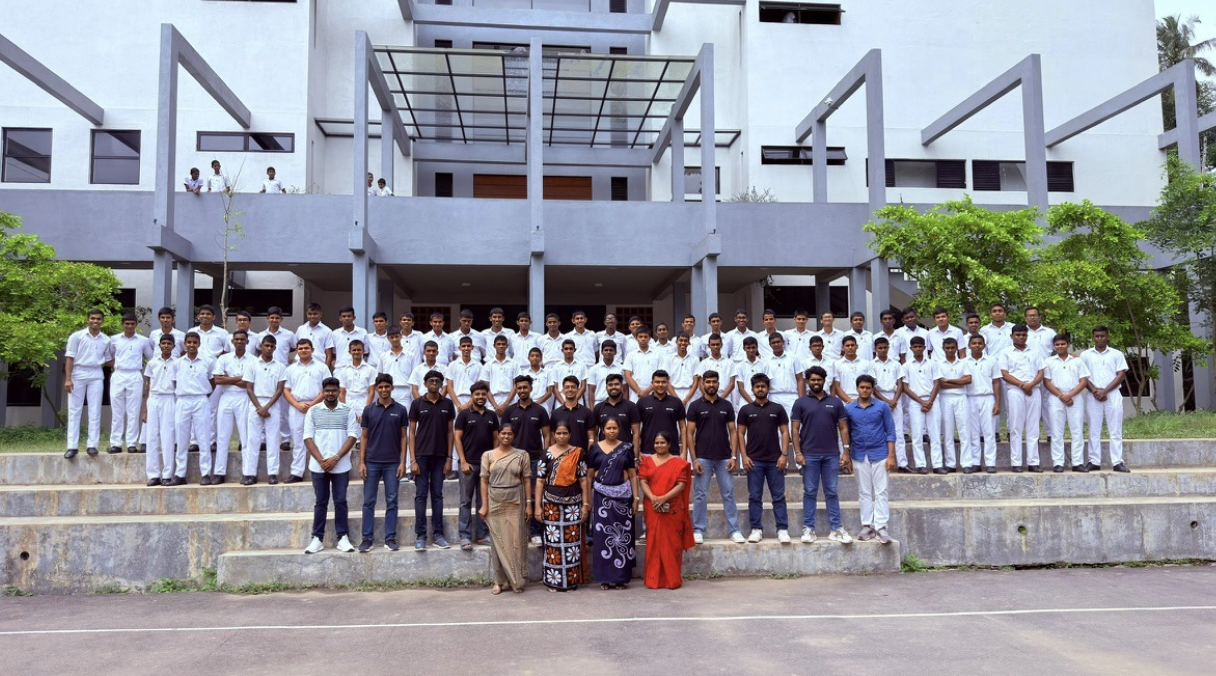
Beyond the annual project cycles, SPARK runs a range of outreach and knowledge sharing initiatives; school workshops, podcasts, special interest group sessions and tutorial series that take the Raspberry Pi and electronic engineering to a wider community.
Raspberry Pi workshop 1
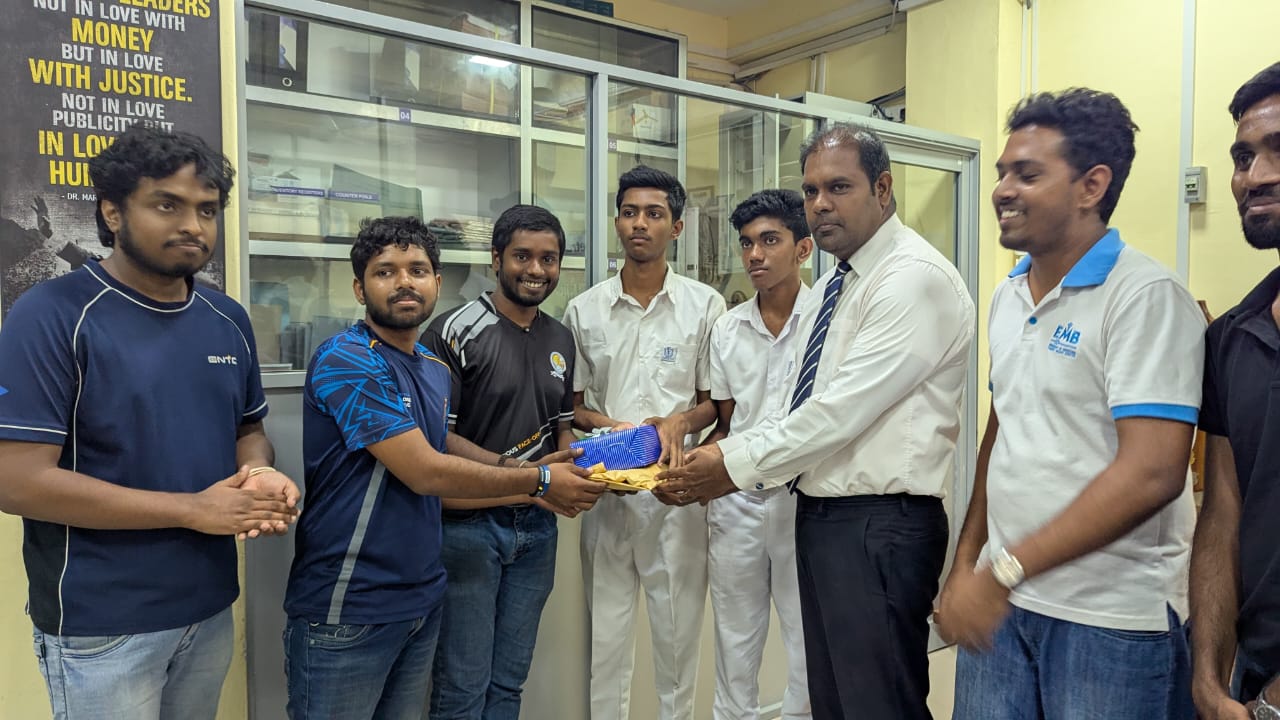
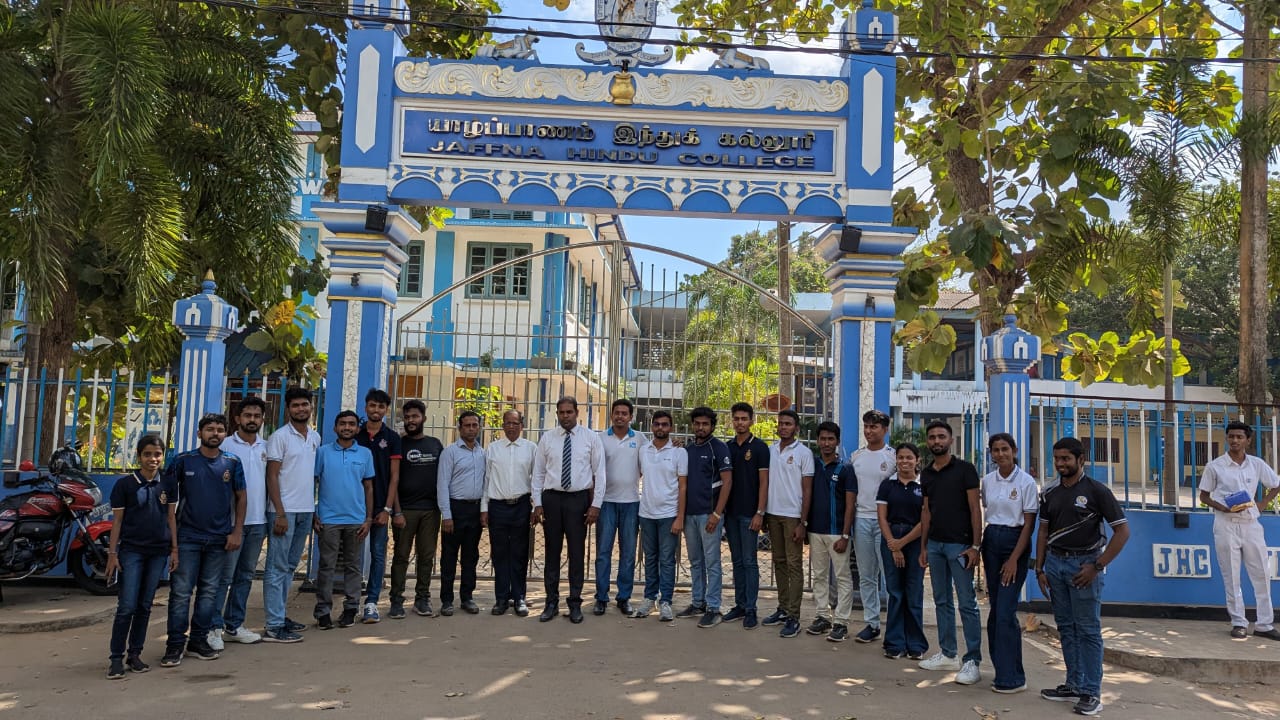
Two comprehensive Raspberry Pi programming workshops were delivered to approximately 450 O/L students from Jaffna Hindu College and Hartley College, organized by the SPARK branch of the Electronic Club, University of Moratuwa. These full-day, hands-on sessions introduced programming fundamentals (variables, control flow, loops), basic electronics, and practical Raspberry Pi projects enabling students to write code, build circuits, and test working prototypes. We donated Raspberry Pis to both schools to ensure continued access to hardware for ongoing learning and experimentation. Many students arrived with a promising foundation in programming concepts; they demonstrated strong engagement and rapid skill growth. Principals and teachers praised the initiative, emphasizing the value of early exposure to emerging technologies.
Raspberry Pi workshop 2
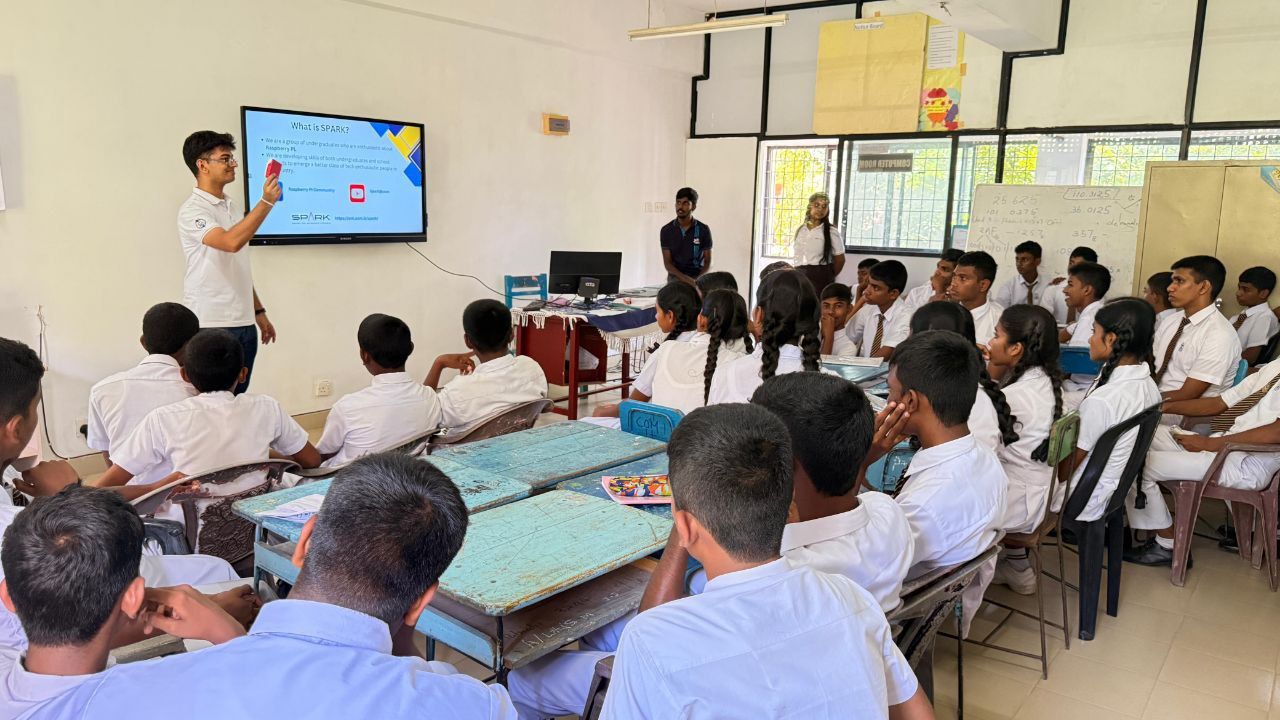
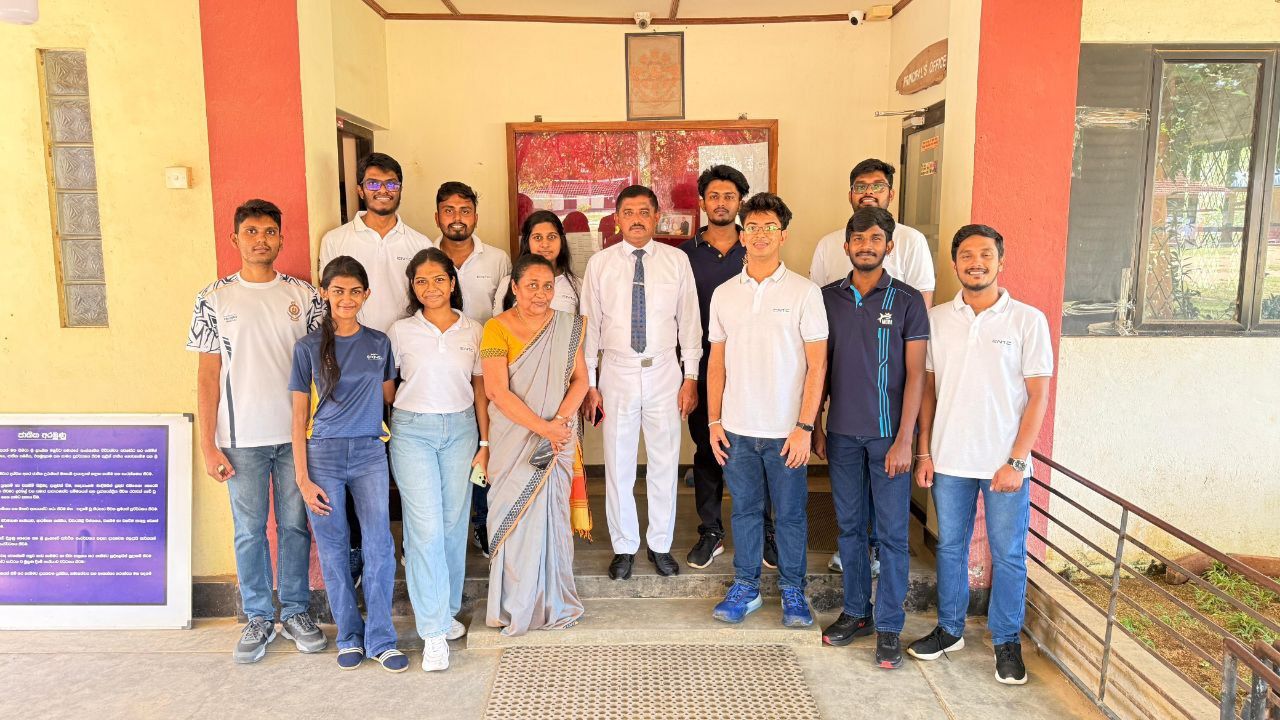
An engaging and interactive Raspberry Pi workshop was recently held at S.W.R.D. Bandaranayake College, Kurunegala, with the participation of around 80 enthusiastic O/L and A/L students. The event was organized by the SPARK branch of the Electronic Club, University of Moratuwa. The session introduced participants to the fundamentals of programming and circuit building using the Raspberry Pi platform. Students gained hands-on experience by writing their first lines of code and bringing their circuits to life, sparking curiosity and excitement for technology and innovation. To support continued learning, a Raspberry Pi was donated to the school, enabling students to further explore computing and electronics beyond the workshop.
Raspberry Pi workshop 3
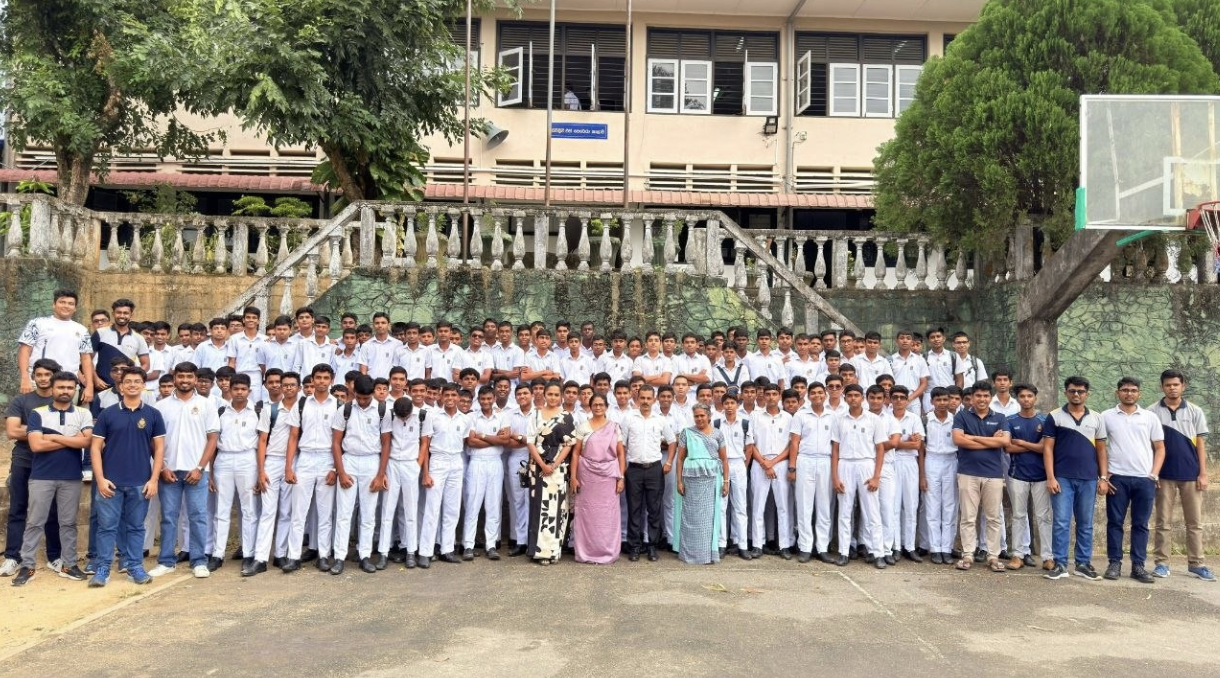
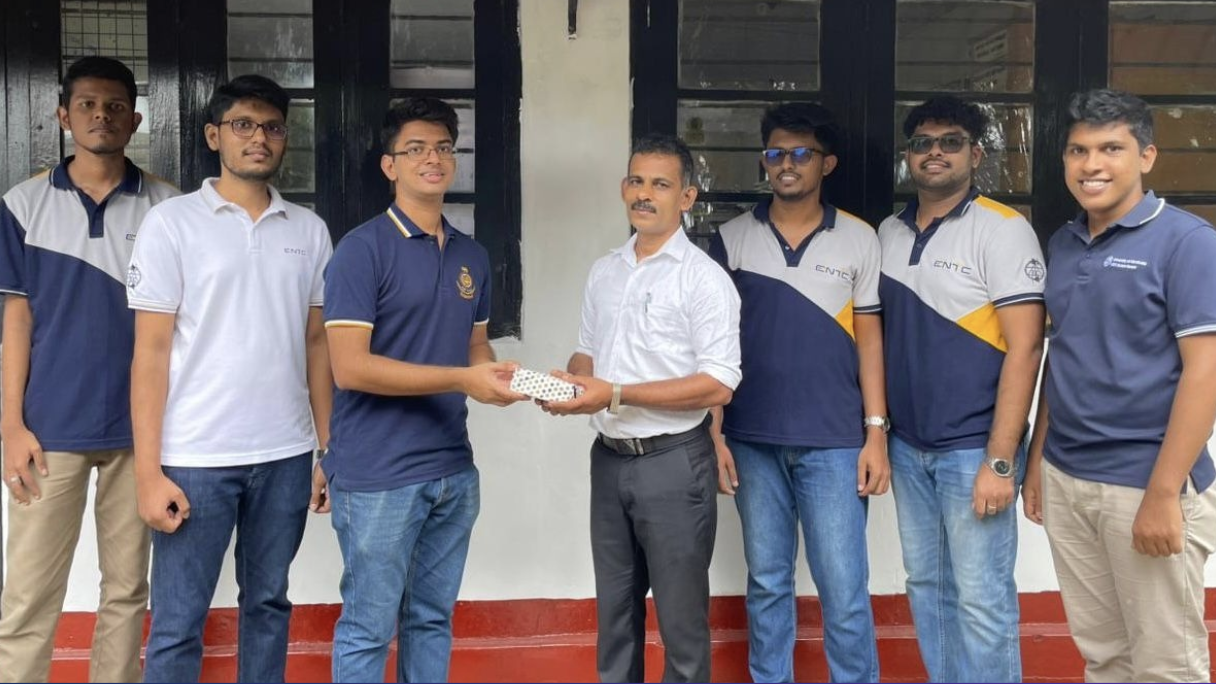
SPARK Branch of the Electronic Club, University of Moratuwa conducted an interactive Raspberry Pi workshop at Kegalu Vidyalaya, Kegalle, engaging over 200 students through hands-on activities that introduced the fundamentals of programming and electronics. The session helped students explore how Raspberry Pi can be used to build practical projects and develop problem-solving skills. Along with the technical session, a motivational talk encouraged the students to dream bigger through STEM and continue exploring technology with confidence. To support learning beyond the workshop, we donated a Raspberry Pi kit valued at over LKR 50,000 to the school, so the students can keep experimenting, building, and turning ideas into reality.
Links
Raspberry Pi workshop 4
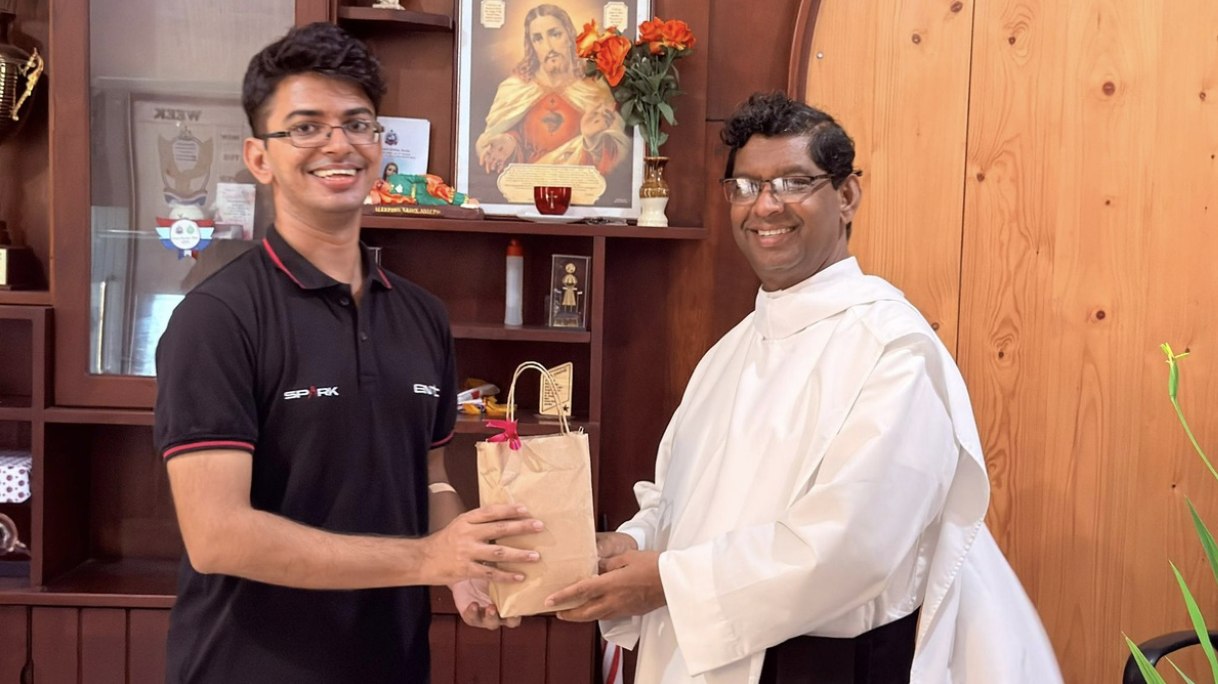
SPARK Branch of the Electronic Club, University of Moratuwa conducted an interactive Raspberry Pi workshop at St. Anthony's College, Kandy, engaging over 100 students with practical activities that introduced the basics of programming and electronics through the Raspberry Pi platform. The workshop gave students a hands-on experience in writing code, understanding circuits, and building confidence in STEM. A motivational session was also included to inspire students to think bigger and continue exploring technology beyond the classroom. To support their learning journey, we donated a Raspberry Pi kit valued at over LKR 50,000 to the school, helping students keep experimenting, creating, and developing their own projects.
Links